Share a Piece of KFUPM’s History
Help Us Preserve Our Shared History. Every photograph, document, object, and memory has a story to tell.
A photograph from your student years, a document from your working life, or an object you have kept since your time at the University. What you have saved may tell part of KFUPM’s story.
Contribute your items to The Lines Museum and help preserve the stories of those who studied, worked, and lived at KFUPM for future generations.
What we are looking for
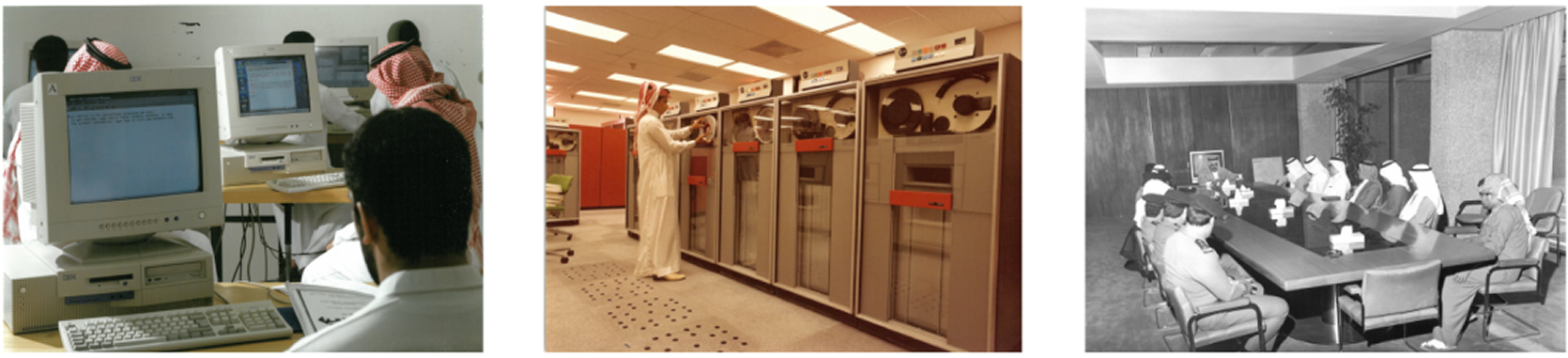
We welcome items connected to different periods of KFUPM’s history, including:
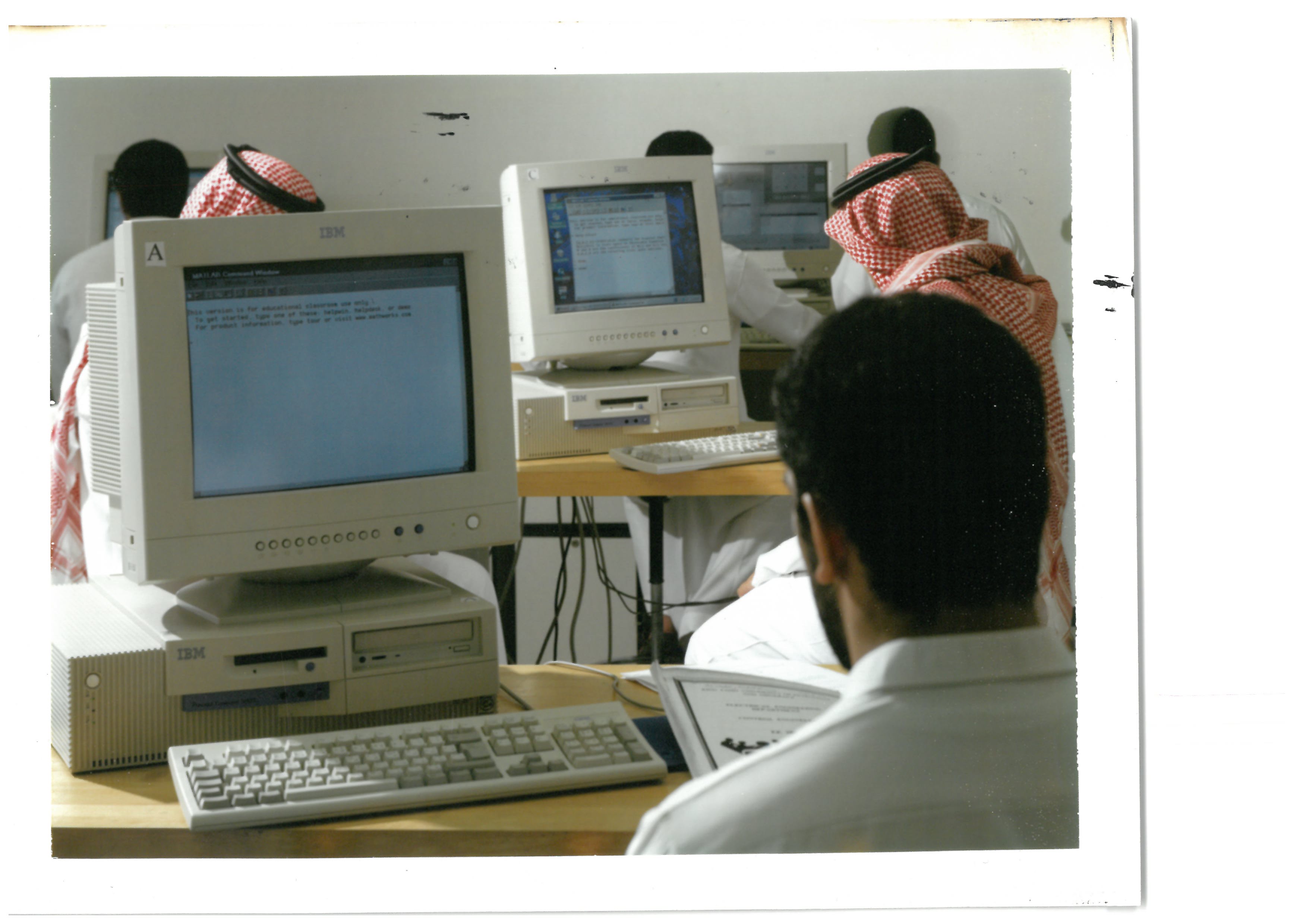
Photographs and recordings: images of student life, housing, graduation, and activities, as well as audio and video recordings.
Documents and publications: correspondence, newsletters, guides, maps, posters, and yearbooks.
Items from university life: ID cards, notebooks, and memorabilia from clubs, teams, and events.
Equipment and tools: items used in laboratories, workshops, teaching, research, and other work at the University.
Commemorative items: plaques, medals, certificates, and gifts associated with KFUPM.
If your item is not listed here, tell us about it in the form. Its story and connection to KFUPM will help us understand its historical value.
How to contribute
1. Tell us about your items. Complete the form and include clear photos and any background information you have.
2. Hear from our team. We will review your request and contact you to discuss the details and next steps.
3. Arrange the handover. Once the donation is agreed, we will coordinate delivery and document the items received and the contributor’s details.
About The Lines Museum
The Lines Museum is being developed in KFUPM’s historic student housing to tell the University’s story through objects and the experiences of its students, alumni, and employees. This campaign helps collect materials documenting education, research, work, and life on campus.
Frequently Asked Questions
Students, alumni, current and former employees, their families, and anyone who holds items connected to KFUPM’s history are welcome to contribute. A direct connection to the University is not required.
Items do not have to date back to the University’s early years. We welcome materials documenting different stages of its history. The information you provide helps us assess their suitability for the collection.
Yes. Describe the types of items and their approximate quantities, and include photos that help identify them. For a large collection, include overview photos and examples of individual items.
Tell us what you know about the item and how you acquired it. You may give an approximate period or state that the date is unknown.
Accepted items will be documented and registered in the museum and archive collections. They may be used in exhibitions, research, and educational or informational content. Acceptance does not necessarily mean an item will be on permanent display.
Please wait for the team to contact you before sending or bringing any items. Delivery and transport arrangements will be discussed based on the items and their location.
- Photographs and photo albums
- Videos and recordings
- University publications and documents
- Letters, notebooks, and personal stories
- Awards and certificates
- ID cards, badges, and memorabilia
- Graduation and student-life items
- Posters, event programs, and invitations
- Academic and course materials
- Student projects and research materials
- Historical equipment and technology
- Campus maps and drawings
- Sports and club memorabilia
- Items related to KFUPM milestones and achievements
- Other items connected to KFUPM’s history